If you’ve ever seen Crème Fraîche in a French recipe and wondered what it is, don’t worry. It’s not some unattainable high-end cooking ingredient. In fact, it’s much simpler than it seems, and best of all, you can make it at home with just two ingredients! Crème Fraîche is a lightly acidified cream with a mild, slightly tangy flavor and an incredibly silky, thick texture. Unlike regular cream, it doesn’t curdle when heated, making it perfect for hot sauces and soups. For more homemade preparations, try our Homemade Sour Cream or this Homemade Applesauce.
Table of Contents
What is Crème Fraîche?
Crème Fraîche, which literally means “fresh cream” in French, is a lightly acidified cream made by adding bacterial cultures to heavy cream. It has a high fat content (usually around 30-45%), which gives it its silky, thick texture. Unlike other dairy products, its great advantage is that it doesn’t curdle when heated, making it ideal for enriching hot sauces, soups, and stews without risk of separation. Its flavor is mild, slightly tangy, and nutty, much more delicate than traditional sour cream.
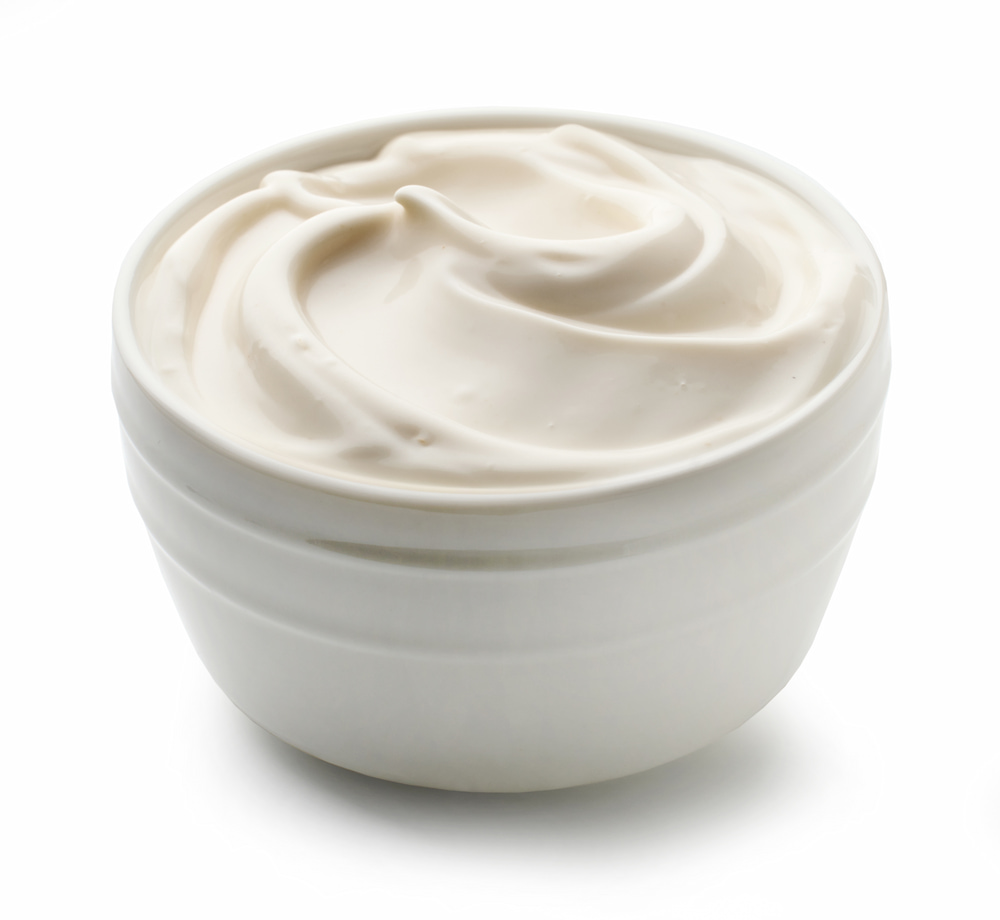
Crème Fraîche vs Heavy Cream vs Sour Cream: Differences and Uses
Although they may seem similar, each has its own personality. Knowing the differences will help you choose the right ingredient for each recipe.
- Crème Fraîche: High fat content (30-45%), mild and slightly tangy flavor. Very thick texture. Withstands heat without curdling. Perfect for hot sauces.
- Heavy Cream: This is the base of crème fraîche. Not acidic. Cooking cream can curdle if boiled over high heat.
- Sour Cream: More tangy and with less fat (around 20%). Lighter texture. Curdles with heat, only for cold use.
- Greek Yogurt: Also thick and tangy, but with less fat and more protein. Good cold substitute, but doesn’t behave the same when heated.
For more homemade dairy preparations, check out our Homemade Sour Cream or this Easy Hollandaise Sauce.
How to Make Homemade Crème Fraîche Step by Step
Making Crème Fraîche at home is so easy you’ll wonder why you hadn’t done it before. You only need two ingredients and patience. Unlike a white sauce or béchamel, crème fraîche doesn’t need cooking to thicken; it does it on its own through bacterial action.
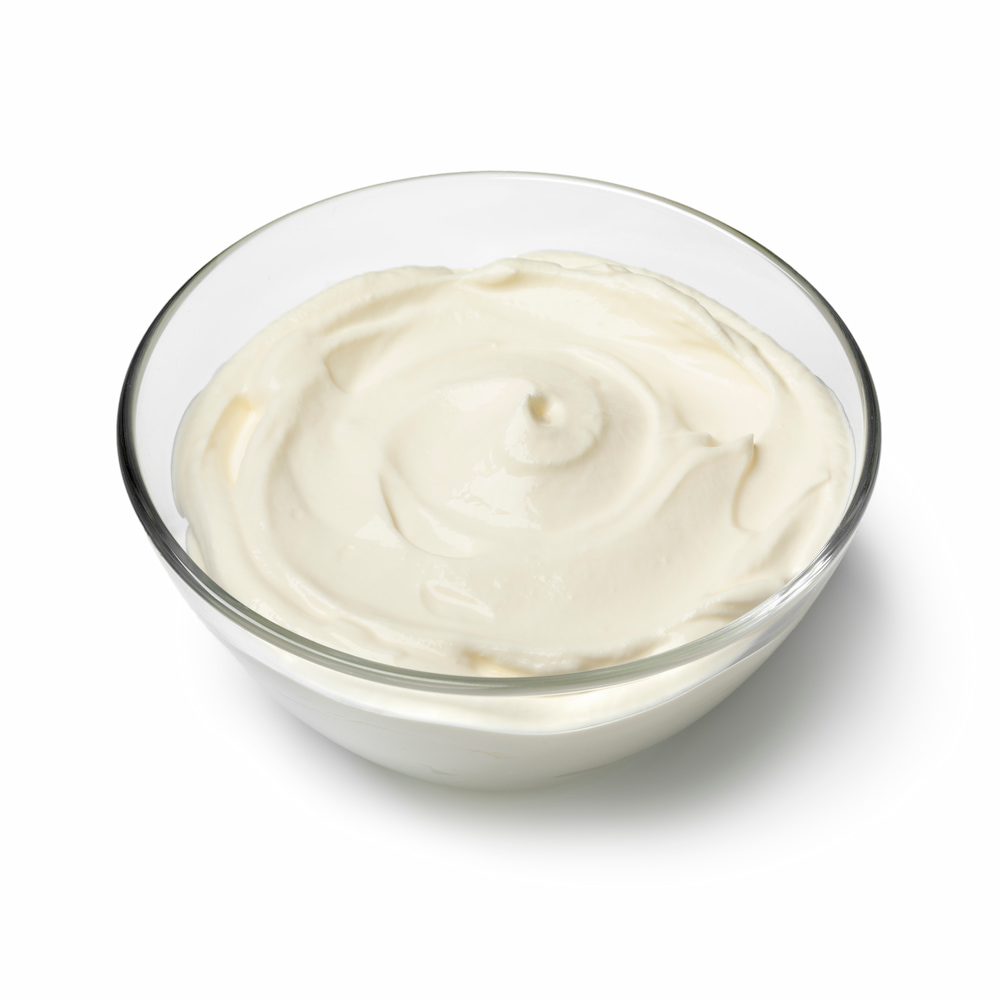
Ingredients for Homemade Crème Fraîche
- 1 cup (250 ml) heavy cream (minimum 35% milk fat)
- 2 tablespoons plain yogurt with live cultures OR 2 tablespoons buttermilk
Step-by-Step Instructions
- In a clean jar, mix the cream and yogurt. Stir gently until combined, without over-mixing.
- Cover the jar, but do not seal it airtight. You can cover it with kitchen paper secured with a rubber band or string.
- Let it rest at room temperature (68-77°F / 20-25°C) for 12 to 24 hours. The longer it rests, the tangier it will become.
- When it has the consistency of thick yogurt, stir, seal tightly, and refrigerate. It will be ready to use after at least 4 hours of chilling.
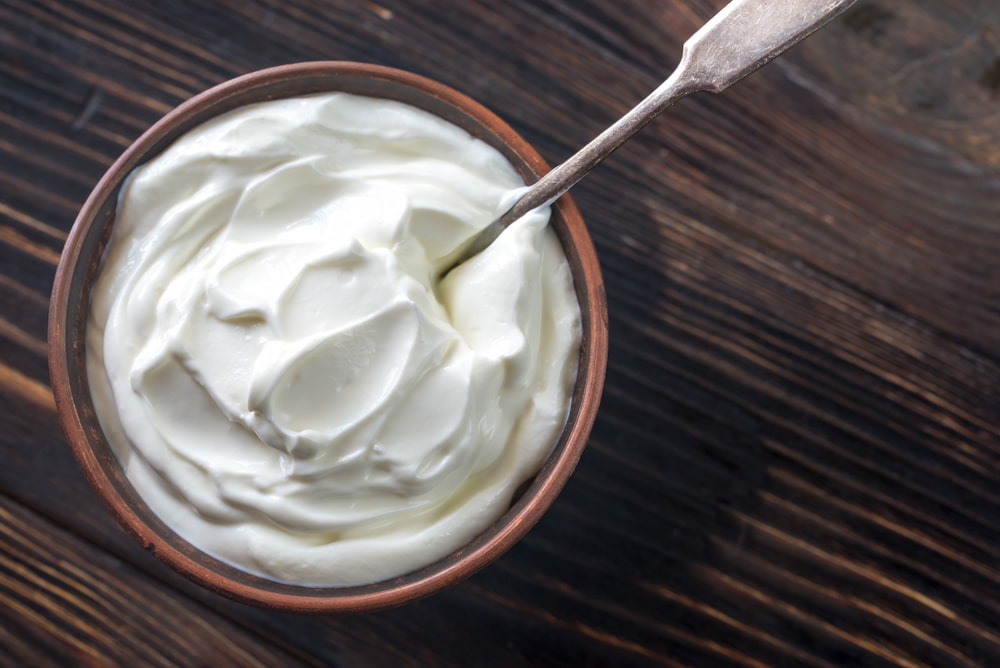
Uses and Recipes with Crème Fraîche in the Kitchen
Now that you have your Crème Fraîche ready, here are some ideas to start using it:
- Enrich sauces: Add a spoonful to your sauces or stews at the end of cooking.
- Top soups: Perfect for adding creaminess to pumpkin, mushroom, or tomato soups.
- Accompany potatoes: In mashed, roasted, or au gratin potatoes.
- Base for dips: Mix with fresh herbs, garlic, salt, and pepper.
- In desserts: With fresh fruit, brownies, or cheesecake.
- In tacos and Mexican dishes: Ideal as a substitute for sour cream.
- At breakfast: With pancakes, granola, or fruit.
For more sauce ideas, try our Easy Hollandaise Sauce or this Simple Lemon Vinaigrette.
How to Substitute Crème Fraîche in Your Recipes
If you don’t have Crème Fraîche on hand, here are alternatives depending on the use:
- Sour cream: Similar flavor, but don’t boil it because it will curdle. Only for cold preparations.
- Greek yogurt: Perfect for cold preparations. Lighter and higher in protein.
- Mascarpone with lemon: Mix mascarpone with a few drops of lemon to mimic the tanginess. Ideal for hot sauces.
- Cream with lemon: Add a few drops of lemon to heavy cream and let sit for 10 minutes before using.
Tip for Adjusting the Acidity of Crème Fraîche
Control the acidity to your taste. The longer you leave the mixture at room temperature, the tangier it will become. If you prefer it milder, 12 hours is sufficient. If you like a more intense flavor, let it rest for 24 hours. Experiment until you find your perfect balance. Remember that homemade crème fraîche keeps in the refrigerator for up to one week. For more homemade preserves, check out our Bergamot Marmalade or this Seville Orange Marmalade.
Frequently Asked Questions about Crème Fraîche
It’s a thick, slightly tangy fresh cream originally from France. It’s made by fermenting cream with bacterial cultures, which gives it its silky texture and characteristic flavor.
For cold preparations, you can use sour cream or Greek yogurt. For hot preparations, the best option is mascarpone with a few drops of lemon to mimic the tanginess.
Heavy cream is the unfermented base; crème fraîche is fermented cream, thicker, slightly tangy, and resistant to heat without curdling.
It’s used to enrich hot sauces, soups, dips, desserts, accompany potatoes, tacos, breakfasts, and much more. It’s incredibly versatile.
You only need to mix heavy cream (35% fat) with plain yogurt or buttermilk. Let it rest for 12-24 hours at room temperature, then refrigerate.
No. Crème fraîche has more fat, is thicker, and doesn’t curdle when heated. Sour cream is tangier, lighter, and only used cold.
For more French culinary techniques, visit BBC Good Food’s guide to crème fraîche. Leave us a comment telling us how you used your homemade crème fraîche!