Introduction to the Ultimate Fall Dessert
Are you looking for the perfect fall baking project? This homemade persimmon bread is a delightful autumn treat that masterfully combines the sweet, honey-like flavor of ripe persimmons with warm spices and toasted nuts. Adapted from the legendary James Beard recipe found in his classic cookbook “Beard on Bread,” this quick bread yields a tender, flavor-packed loaf that is simply irresistible. Whether you are entirely new to baking with persimmon puree or you are a seasoned home baker looking to elevate your holiday baking repertoire, this persimmon bread delivers exceptional and consistent results every single time.
Like most Americans, even the French are not that familiar with persimmons. They might see them in the market, look at them curiously, but don’t stop to buy some. Or if they do, they take them home, bite an unripe one, make a face, and throw them out. Understanding how to properly select and work with this unique fruit is the absolute key to making the perfect persimmon bread that your entire family will devour.
This fruit bread has steadily become a holiday staple for many families who appreciate the rich, complex flavors that only deeply ripened Hachiya persimmons can provide. The moist crumb combined with toasted walnuts and dried fruit creates an unforgettable eating experience. Keep reading to learn everything you need to know about crafting this classic, seasonal treat.
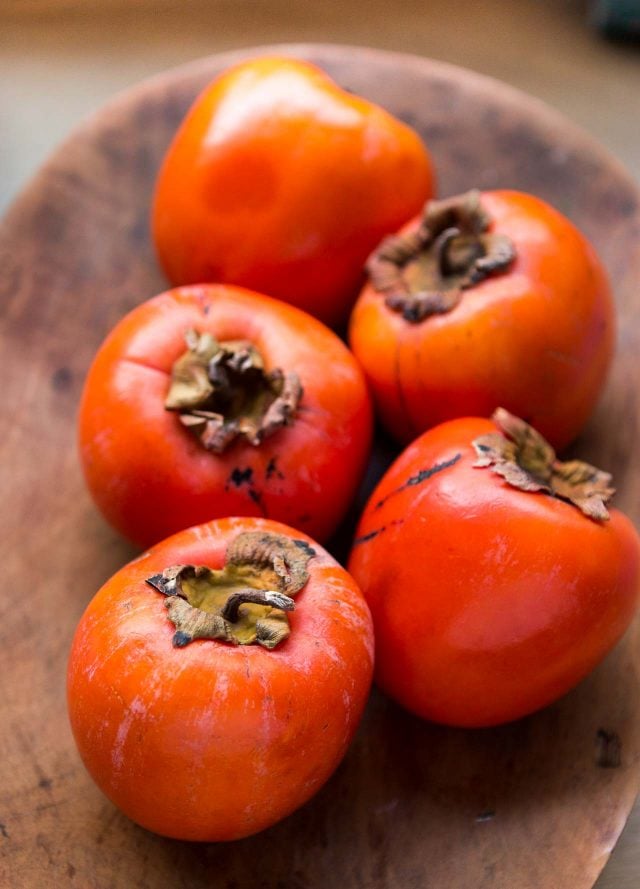
Table of Contents
- What is Persimmon Bread?
- Understanding Persimmon Types
- Persimmon Bread Ingredients
- Step-by-Step Instructions
- Tips & Variations
- Serving Suggestions
- Storage & Freezing
- Frequently Asked Questions
- Conclusion
What is Persimmon Bread?
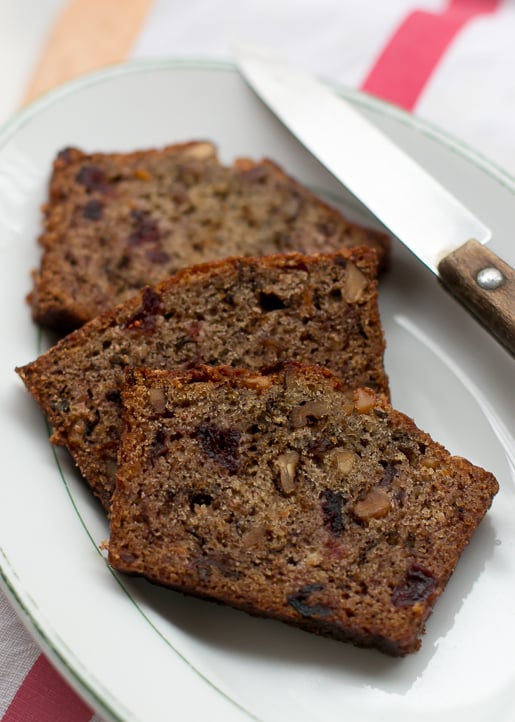
If you have never had the pleasure of trying it before, persimmon bread is a classic American quick bread similar in texture to banana bread or pumpkin bread, but with a uniquely delicate, floral, and honeyed flavor profile. The magic comes directly from using deeply ripened persimmon puree, which adds extraordinary natural sweetness and ensures an incredibly moist crumb.
A friend of mine who lived north of San Francisco in Sonoma County had a huge persimmon tree. Every fall, the leaves slide off the tree, leaving bright orange balls of fruit dangling from the sparse branches. The beautiful, gnarled wood was quite a contrast to the smooth, brilliantly colored fruit balls. (The wood of the persimmon tree is not only beautiful but is prized by makers of many of the finest golf clubs in the world and is considered superior to most other woods or man-made materials.) But for home bakers, the real prize is the fragrant pulp, which is the undeniable star ingredient of any great persimmon bread.
Understanding Persimmon Types for Baking
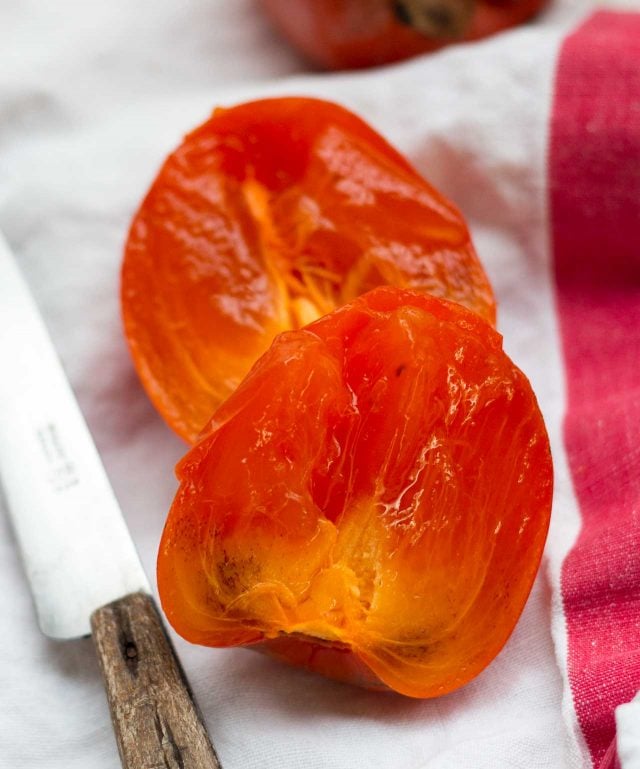
The most common persimmon you are likely to find at the grocery store or farmers’ market is the Hachiya, a somewhat elongated fruit tapering to a point. They are incredibly tannic and astringent when unripe and must be soft and feel like a full water balloon before use. Once fully ripe, the sweet jelly-like mass can be spooned out and pureed through a blender, food processor, or food mill. The pulp freezes beautifully, and in fact, I often freeze some for late winter baking.
To ripen Hachiya persimmons, simply let them sit on the counter until very soft. You can speed up the process by placing the persimmons in a tightly sealed container; add an apple, which emits a lot of ethylene gas, which will speed things up significantly. For more fantastic fruit-based morning meals, check out these apple pie overnight oats that also showcase wonderful seasonal fruit flavors.
The other common persimmon is the Fuyu, which is squatter than Hachiya and matte-orange. Unlike Hachiya, Fuyu is meant to be eaten hard and is deliciously crunchy. I peel them and then mix chunks into an autumnal fruit salad along with dates, slices of Comice pear, and pomegranate seeds. If you enjoy fresh fruit salads, you might also like this light fruit salad with yogurt dressing for a refreshing and healthy side dish. However, remember that Fuyus do not produce the jammy puree required for quick breads.
Persimmon Bread Ingredients
I was lucky enough to meet James Beard several times when he came to dinner at Chez Panisse. In the years after he passed away, we would have all sorts of luminaries through our kitchen, people like Jane Grigson and Richard Olney, who were really wonderful cooks and writers.
The most charming thing about this simple persimmon bread recipe is that Beard gives bakers an inaccurate amount of an ingredient: sugar. So just go ahead this one time to improvise a bit. While I recommend using the higher amount of sugar, feel free to use whatever amount you want… after all, you have permission from the granddaddy of all chefs, James Beard himself.
For those who love baking with dried fruits and rich ingredients, this chocolate cookie recipe also incorporates decadent flavors perfect for your dessert table. But for our quick bread, the combination of warm spices, fruit puree, and toasted nuts creates its signature taste.
Complete Ingredients List
- 3 1/2 cups sifted all-purpose flour
- 1 1/2 teaspoons salt
- 2 teaspoons baking powder
- 1 teaspoon ground nutmeg
- 2 to 2 1/2 cups sugar (400-500g)
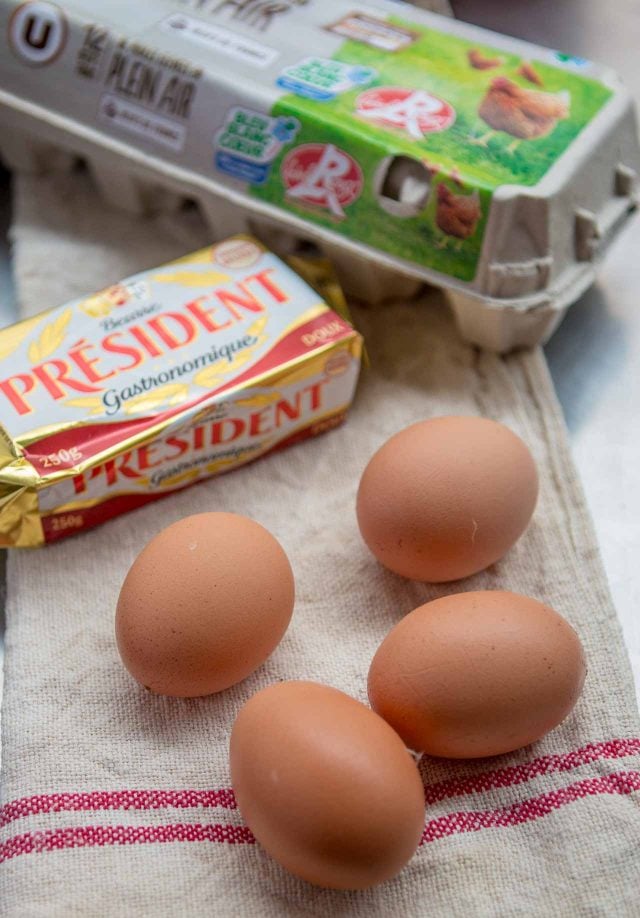
- 1 cup melted unsalted butter, cooled to room temperature (8 oz, 225g)
- 4 large eggs, at room temperature, lightly whisked
- 2/3 cup Cognac or bourbon whiskey (160 ml)
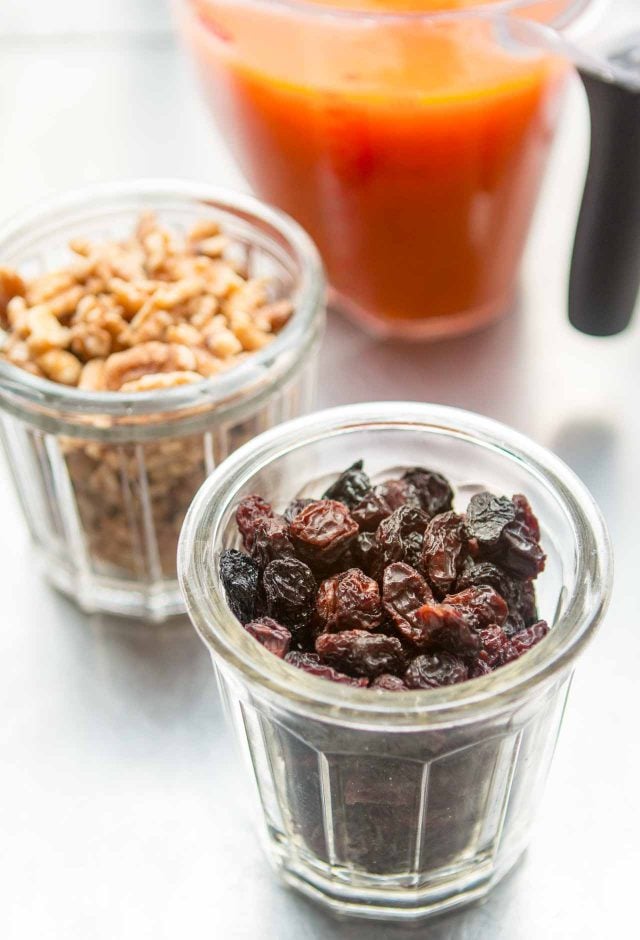
- 2 cups persimmon puree (500 ml, from about 4 soft Hachiya persimmons)
- 2 cups walnuts or pecans, roasted and chopped (200g)
- 2 cups raisins or diced dried fruit such as apricots, cranberries, or dates (270g)
Step-by-Step Instructions for Persimmon Bread
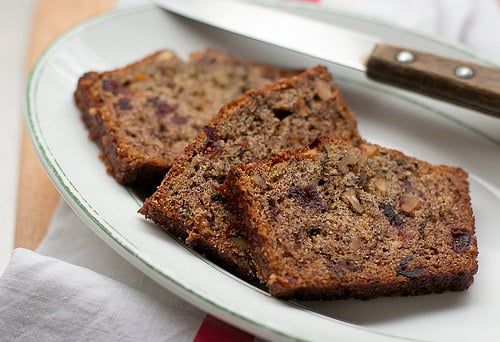
- Prepare the pans: Butter 2 loaf pans. Line the bottoms with a piece of baking paper or dust with flour and tap off any excess.
- Preheat oven: Preheat oven to 350ºF (180ºC).
- Combine dry ingredients: Sift the first 5 dry ingredients (flour, salt, baking powder, nutmeg, and sugar) into a large mixing bowl.
- Add wet ingredients: Make a well in the center and then stir in the butter, eggs, liquor, persimmon purée, and then the nuts and raisins. Gently fold until just combined.
- Bake: Bake for 1 hour or until a toothpick inserted into the center comes out clean.
This quick bread process follows similar principles to other fall dessert recipes that rely heavily on seasonal fruits and warm spices. The absolute key to successful persimmon bread is ensuring your persimmons are as soft as pudding before pureeing them for the batter.
Tips & Variations for Perfect Persimmon Bread
- Alcohol Substitutions: I often use bourbon, as I like the taste, but brandy and rum work well instead. I often get asked about making this cake without booze. The booze is an integral flavor in the cake, but if you want to skip it, apple cider, strong black tea, or even orange juice can take its place.
- Persimmon Selection: Only use fully ripe Hachiya persimmons for the puree. Unripe persimmons will make the bread extremely bitter. For more tips on selecting seasonal fruits, explore our berry dessert guide.
- Nut Variations: While walnuts and pecans are traditional, you can easily use toasted almonds, hazelnuts, or even omit nuts entirely for a completely nut-free persimmon bread.
- Dried Fruit Options: Raisins work beautifully, but feel free to experiment with dried cranberries, chopped apricots, dates, or Mission figs for different flavor profiles.
- Spice Adjustments: Add a teaspoon of ground cinnamon, a pinch of cloves, or allspice to customize the warm spice blend to your personal preference.
Serving Suggestions
This wonderfully moist fruit bread is extremely versatile and can be enjoyed in multiple ways throughout the day:
- Slice and serve warm with a generous smear of butter or cream cheese for a comforting breakfast.
- Toast lightly and pair with your afternoon tea, hot apple cider, or freshly brewed coffee.
- Serve as a decadent autumn dessert topped with a scoop of vanilla bean ice cream.
- Wrap individual slices in parchment paper as thoughtful, edible holiday gifts for neighbors.
According to nutrition experts, persimmons are rich in antioxidants and important nutrients, such as dietary fiber and vitamin A. They may have various possible health benefits including supporting heart health and digestion, making this bake both indulgent and somewhat wholesome.
Storage & Freezing
Proper storage ensures your baked goods stay fresh and moist for as long as possible. At room temperature, wrapped tightly in plastic wrap or stored in an airtight container, the loaves will maintain their excellent quality for 5-7 days.
For longer storage, wrap individual loaves or thick slices tightly in plastic wrap, then place them in heavy-duty freezer bags. Label with the date and freeze for up to 3 months. Thaw at room temperature or overnight in the refrigerator before serving. The moist bread texture is beautifully preserved through freezing, making this an excellent make-ahead option.
Frequently Asked Questions
Can I make persimmon bread without alcohol?
While the alcohol adds depth of flavor and tenderizes the crumb, you can substitute it with an equal amount of apple juice, orange juice, or even strong brewed black tea. The bread will still be delicious, though slightly different in its final flavor profile.
How do I know when persimmons are ripe enough?
Hachiya persimmons should feel exactly like a fragile water balloon when ripe – extremely soft to the touch. The skin may appear slightly translucent, and the fruit should yield easily to even the most gentle pressure.
Can I freeze persimmon puree?
Yes! Persimmon puree freezes beautifully for up to 6 months. Store it in airtight containers or freezer-safe bags, making sure to leave some headspace for expansion.
Why is my persimmon bread dry?
Dry bread usually results from overbaking or using unripe, stiff persimmons that lack natural moisture. Make sure your persimmons are fully soft before pureeing, and check the loaves with a toothpick 10 minutes before the recommended baking time ends.
Conclusion
In conclusion, baking this classic persimmon bread is one of the most rewarding and aromatic fall baking projects you can undertake. From the fragrant scent of warm nutmeg and bourbon wafting through your kitchen to the incredibly moist, tender crumb of the finished loaf, it’s a recipe that perfectly captures the cozy essence of the season. The legendary James Beard recipe provides a foolproof foundation that allows you to easily experiment with your favorite nuts, dried fruits, and spices.
Whether you’re looking for a special autumn dessert, a comforting breakfast slice, or a homemade gift for the holidays, this persimmon bread is absolutely sure to become a beloved tradition in your household. Don’t let those unique, vibrant orange fruits intimidate you—embrace the magic of Hachiya persimmons, grab your mixing bowls, and start baking!
For more baking inspiration and trusted recipes, visit King Arthur Baking or explore more fruit bread variations at AllRecipes.