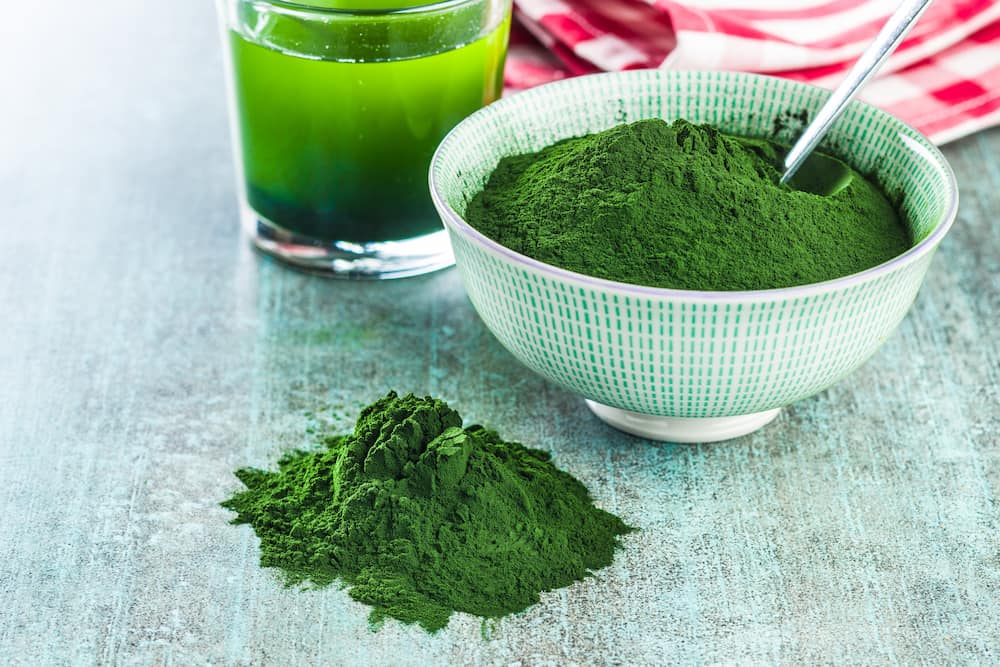
What is spirulina? You’ve probably seen it everywhere lately – in green smoothies, in capsules, and all over Instagram. But what exactly is it and how do you eat it? Spirulina is a blue-green cyanobacteria that’s packed with nutrients and has been consumed for centuries. This spirulina smoothie recipe is the perfect way to incorporate this superfood into your daily routine without any complicated steps.
What Is Spirulina and Why Isn’t It Exactly an Algae?
Let’s start at the beginning. Although everyone calls it “spirulina algae,” it’s actually a cyanobacterium – a type of bacteria that performs photosynthesis. Yes, like plants. That’s why it has that intense blue-green color. It grows naturally in freshwater lakes in warm climates and its use is nothing new. It’s said that the Aztecs ate it centuries ago. NASA has also studied it as a possible food for astronauts and space missions. For another nutrient-packed recipe, try this Greek Yogurt Avocado Smoothie.
How to Use Spirulina: Powder vs. Tablets
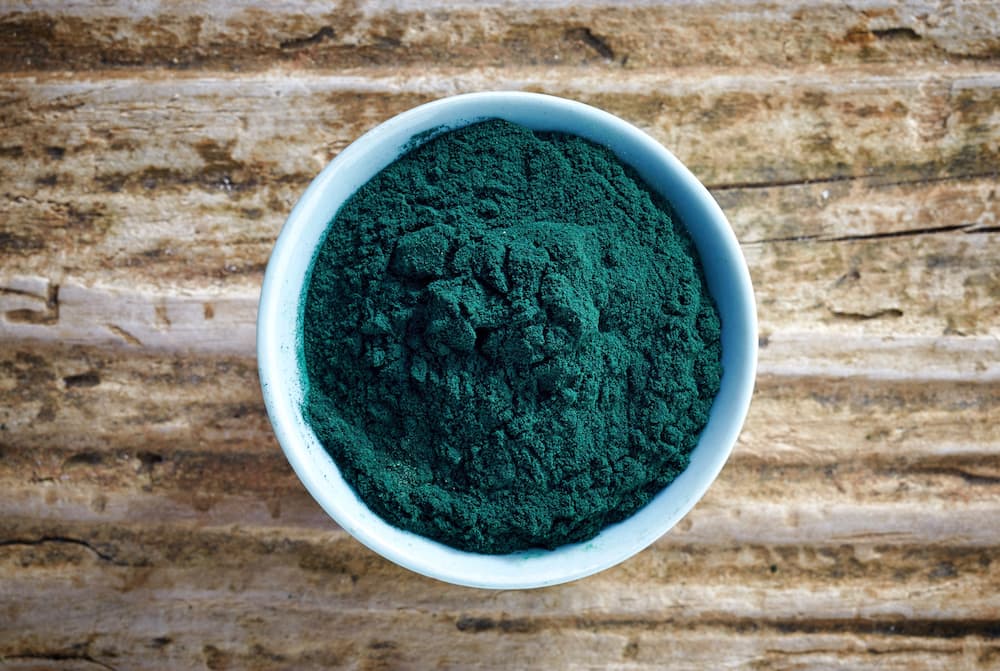
Spirulina is available mainly in two formats: powder or tablets. The choice depends on what you want to do with it.
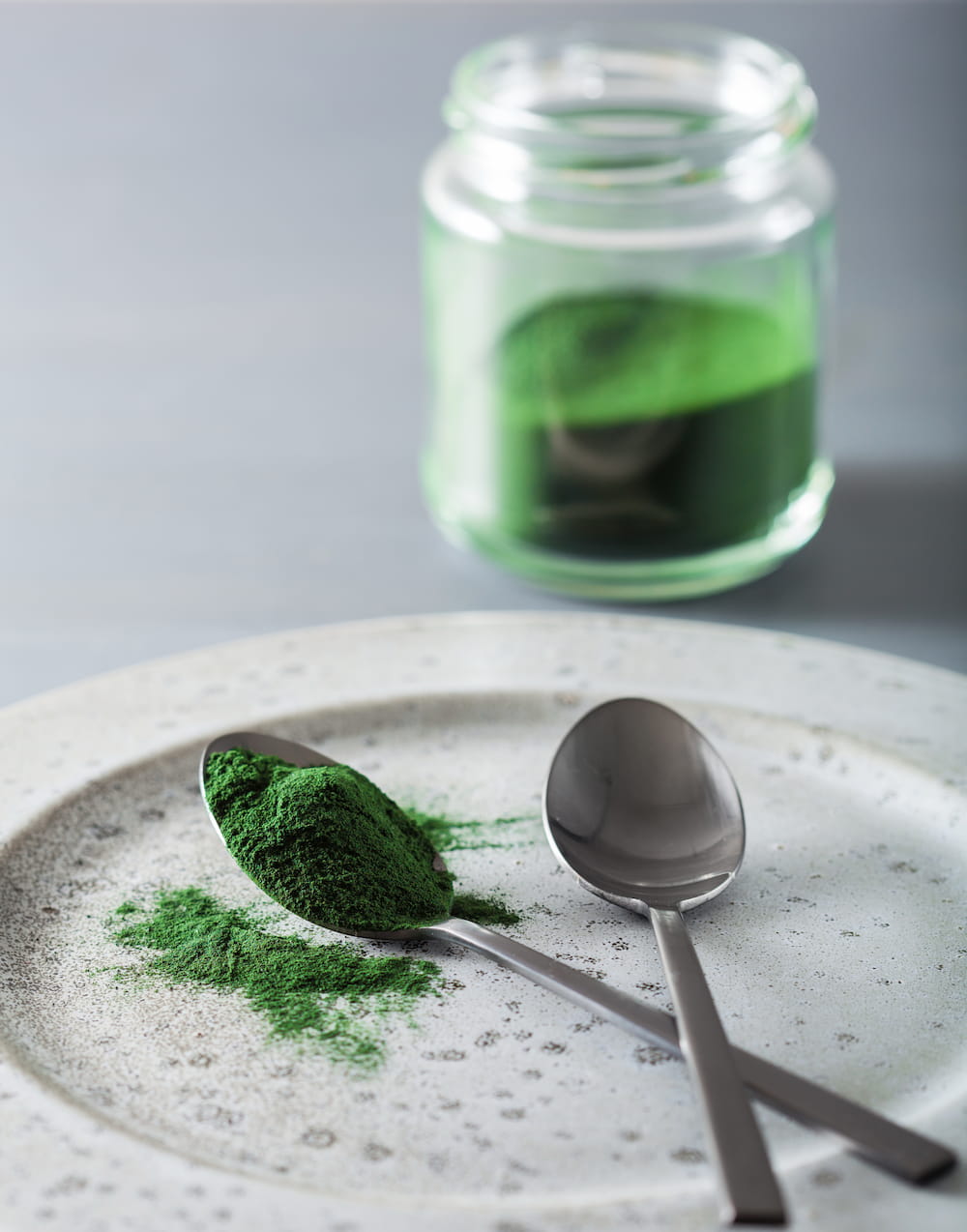
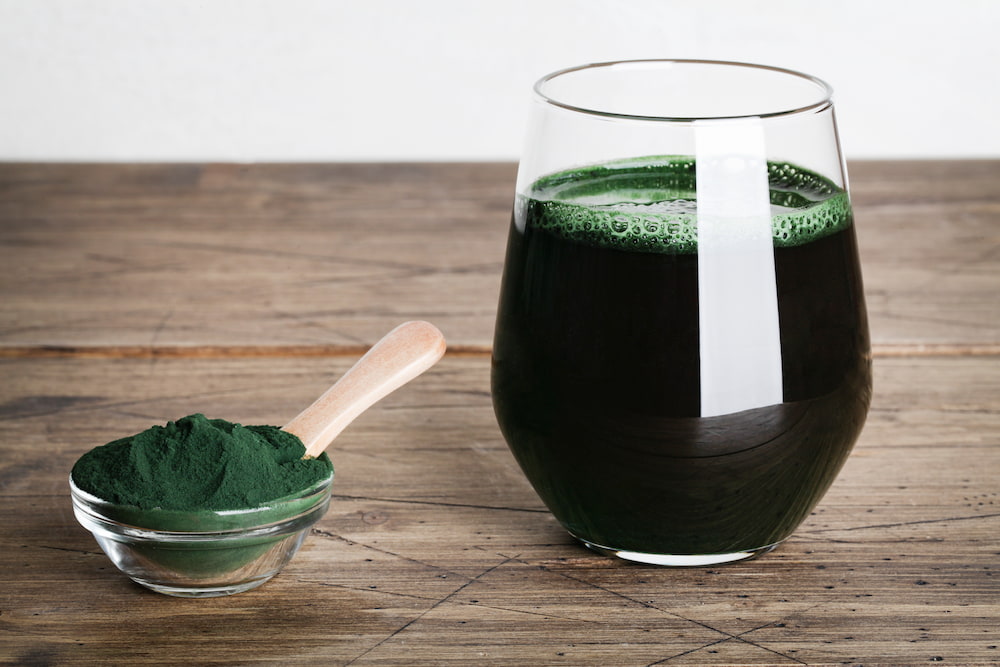
- Spirulina Powder: This is the most used for cooking. It has an intense flavor, slightly like the sea and freshly cut grass, so it’s best mixed with other ingredients. You can add it to smoothies, juices, soups, or even bread dough.
- Spirulina Tablets: More practical if you don’t like the taste or don’t want to measure teaspoons. Take with water like any supplement.
For cooking, spirulina powder is definitely the best format. It lets you play with quantities and turn your favorite recipes green. For another healthy breakfast option, check out these Healthy Breakfast Muffins.
How to Use Spirulina in the Kitchen
This is where the kitchen magic happens. Although its flavor can be strong, the key is to start with a small amount – half a teaspoon – and incorporate it into preparations that already have strong flavors. (Please don’t try to eat it by the spoonful!)
Smoothies with Spirulina: The Easiest Way to Consume It
This is the easiest and most popular way to consume spirulina. Its flavor camouflages perfectly with fruits and vegetables. You can add a teaspoon to almost any combination. A classic example is a green smoothie with spinach, banana, apple, a little ginger, and a teaspoon of spirulina. The sweetness of the fruit balances the algae flavor. For more smoothie ideas, try this Strawberry Smoothie with Greek Yogurt.
Soups and Creams with Spirulina
Spirulina can also give a special touch and color to cold soups like gazpacho or vegetable creams. Add it at the end of cooking so you don’t lose its properties. For something on another level, try mixing half a teaspoon of spirulina powder with olive oil, lemon juice, salt, and a pinch of honey. This makes an emerald green dressing, perfect for your favorite salads.
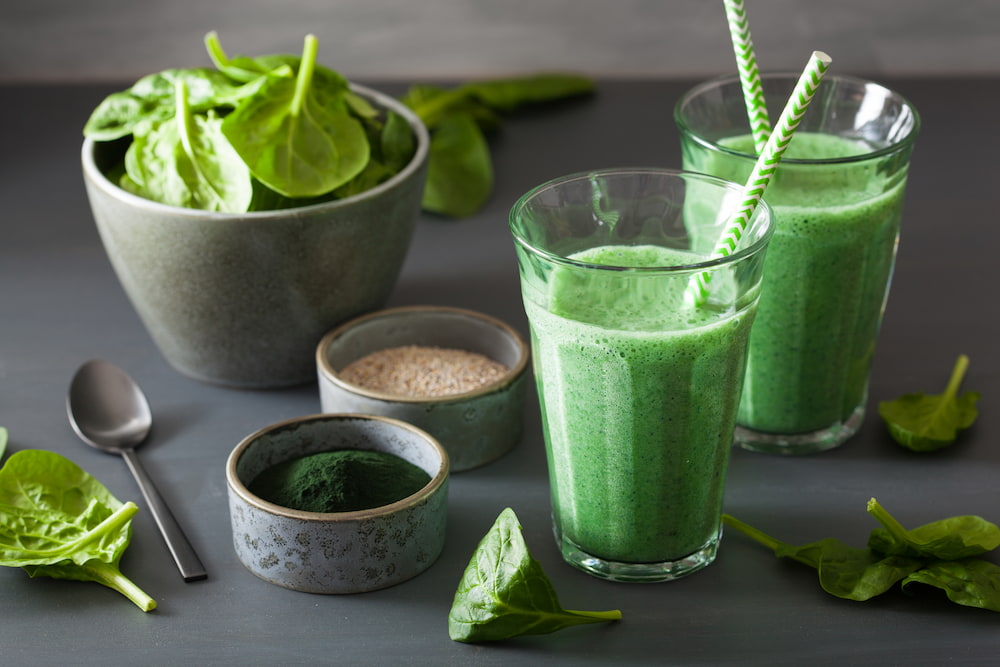
Green Smoothie with Spirulina Recipe
Yield: 1 glass | Prep Time: 5 minutes
Ingredients
- 1 ripe banana (if frozen, even better)
- 1 large handful fresh spinach
- 1/2 green apple
- 1 teaspoon spirulina powder
- 1 small piece fresh ginger (about thumbnail size)
- 200 ml water or plant-based milk
- Optional: a teaspoon of honey or maple syrup for a sweeter smoothie
Looking for more make-ahead breakfast options? Check out these 9 Overnight Oats Flavors Worth Trying.
How to Make Green Smoothie with Spirulina Step by Step
- Prepare the ingredients: Wash the spinach and apple well. Cut the apple into pieces, with or without skin. Peel the piece of ginger and slice the banana.
- Add to blender: Place all ingredients in the blender: banana, spinach, apple, ginger, spirulina powder, and liquid.
- Blend: Process at maximum power until you get a smooth, homogeneous mixture with no lumps. If it’s too thick, add a little more water or plant-based milk.
- taste and serve: Taste the smoothie and, if necessary, add the optional sweetener. Serve immediately.
For another protein-packed breakfast, try this Scrambled Eggs with Cottage Cheese recipe.
What You Should Know About Spirulina Before Anything Else
Important note: always make sure to buy spirulina from trusted places. If it’s produced in contaminated waters, it can carry things nobody wants on their plate (heavy metals, rare bacteria, etc.). So it’s better to be safe and choose a good supplier. Although spirulina is safe for most people, there are some precautions to consider. As always, when in doubt, consult a health professional.
★★★★★ (4.7 average from 156 reviews)
Maria G. — ★★★★★
“This spirulina smoothie is delicious! I was nervous about the taste but the banana and apple hide it perfectly. Great way to start the day.”
Carlos R. — ★★★★☆
“I’ve been adding spirulina to my morning routine and this recipe is my favorite. Simple, quick, and actually tastes good.”
Ana S. — ★★★★★
“Finally found a way to use my spirulina powder! The ginger gives it a nice kick. Will be making this every week.”
Frequently Asked Questions About Spirulina
How much spirulina should I use?There’s no universal rule, but it’s best to start with half a teaspoon and see how you get along with the flavor. You can gradually increase to 1 teaspoon per serving as you become accustomed to the taste.
Does spirulina help with weight loss?No, there are no magic potions. Spirulina can add color and originality to your food, but weight loss depends on your overall diet and lifestyle, not any single ingredient.
What does the WHO say about spirulina?The WHO has qualified spirulina as a “food of interest.” It’s clear that it awakens much curiosity around the world. It’s even being studied as a candidate to feed astronauts in space!
Can I use spirulina in baked goods?Absolutely! You can add half a teaspoon to pancake or crepe batter, bread dough, or even homemade pasta for a fun green color and extra nutrients.
For more trusted recipe inspiration, check out Simply Recipes for their wonderful collection of healthy smoothies and breakfast ideas.